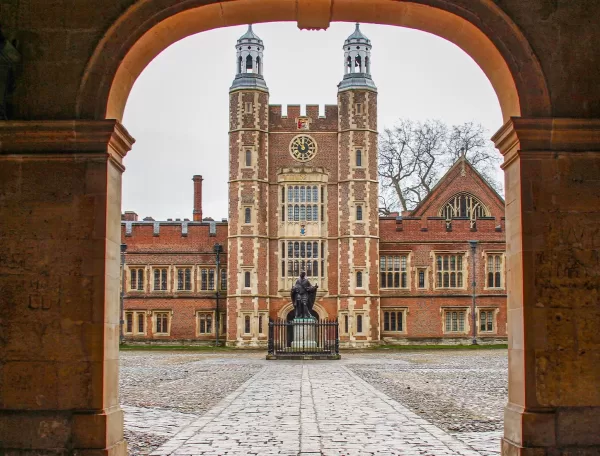


The summer holidays are an excellent opportunity for students who have recently completed their GCSEs and A-level mock exams – or for those aged 14–17 considering applying to a UK university – to start building their application components. Whilst schools typically provide students and families with a timeline for prepping applications, there’s plenty to begin working on this summer, whether you’re applying for 2027 entry or pondering your post-school options. From exploring degree courses and drafting personal statements to organising work experience and pre-university summer programmes, there are various elements to focus on.
For students applying for 2027 entry
What key deadlines should students be aware of?
UCAS (the University and College Admissions Service) will open its portal for 2026–27 undergraduate applications on 12th May 2026, with submissions accepted from 1st September 2026. Applications for Oxbridge, as well as most courses in medicine, dentistry, and veterinary medicine/science, have an earlier deadline of 15th October 2026.
Students aiming for the October deadline should aim to complete the majority of their application content and admissions test preparation over the summer. This allows sufficient time to focus on interview preparation and sit admissions tests during the autumn term.
For university courses applied through UCAS with a September 2027 entry, the UCAS Equal Consideration Deadline is 13th January 2027. However, we strongly recommend submitting applications between November and December 2026.


Explore which course is the right fit
What questions often keep you up at night? Is it how to start a business? How to sew a dress? What about the chemical composition of the food you eat? These everyday questions often form the foundation of your academic interests – and can help guide your university course choices.
UCAS allows students to apply for up to five university courses using a single, centralised application. Whilst applicants should choose the degree that genuinely interests them, it’s important to select courses that allow for a coherent and consistent application.
To help find the right fit, applicants should research the course content and entry requirements directly on university websites. A candidate’s course selection should align with both subject interests and predicted or achieved academic results.
Beyond academic factors, students should also reflect on their personal preferences: is that socialising in a big city or spending time in nature? With over 160 higher education institutions across the UK, there are plenty of options to suit different personalities and aspirations.


Write a draft personal statement
A UCAS personal statement is an essential component of a student’s application to university and the only opportunity to express their interest using their own voice. With a total character limit of 4,000, this academic writing gives students a chance to answer the following three compulsory questions:
Why do you want to study this course or subject?
How have your qualifications and studies prepared you for this course or subject?
What else have you done outside of education to prepare, and why are these experiences useful?
The summer holidays provide an ideal opportunity to reflect on your motivations for your chosen field of study. Getting started is often the hardest step, but these three questions break the process into manageable parts. If you’re struggling with the opening line, it can help to start with the second question – your current studies – and return to the others at a later stage.
For younger students
Organise work experience
The skills and knowledge a prospective student brings to their university studies can come from beyond the classroom. The UCAS application includes a dedicated section for paid employment. While full-time work experience isn’t expected of applicants, part-time jobs, summer roles, and internships are valuable additions.
Though work experience that’s directly linked to a particular degree or course (such as working in a laboratory before applying to study chemistry) is certainly a benefit, students can also demonstrate knowledge or transferable skills relevant to their subject matter from a wide variety of jobs. Paid employment can include entrepreneurial pursuits such as starting a small business, a revenue generating social media page, or an investment portfolio. Any industry experience can be a valuable addition to a university application.


Consider pre-university summer and winter programmes
Available to students aged 14–17, pre-university programmes are offered by many of the UK and US’s top-ranking universities. These programmes provide an excellent opportunity for students to enrich their summer with new experiences whilst building subject-specific knowledge that can enhance personal statements and university applications.
Pre-university programmes offer valuable insights into what it’s like to study at university. Typically, they combine academic classes in a chosen subject with university preparation workshops and a full programme of social activities – making them a unique and exciting opportunity for prospective students.
Applications for UK-focused pre-university summer and winter programmes typically open between January and February for summer 2026 and June and September for winter 2026/27. If students have missed this year’s deadline, an alternative solution is to register for undergraduate open days or attend taster lectures in subjects that interest them.
Our international education consultancy covers everything from admission and application processes to private tuition and more. Contact Quintessentially Education at [email protected] or +44 (0)20 3073 6839 to explore the ways we can support you.